Chinese New Year Symbol: A Designer's Review for Real Projects
As a designer who spends more time staring at stitch maps than actual fabric, I approach every new machine embroidery design with a mix of excitement and skepticism. When I first pulled up the Chinese New Year Symbol on my screen, my immediate reaction was one of appreciation for its clean lines and cultural resonance. In an industry flooded with generic holiday motifs, finding a digitized file that respects the intricacy of traditional symbolism while remaining practical for modern production is rare. This isn't just a pretty picture; it is a functional asset for anyone looking to elevate their handmade product lineup beyond the standard fare.
First Impressions: Mood and Visual Personality
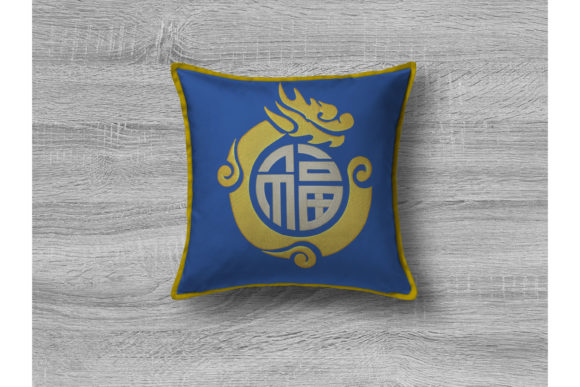
The visual personality of the Chinese New Year Symbol strikes a perfect balance between festive energy and elegant restraint. Unlike some overly busy holiday files that rely on excessive density to create impact, this design utilizes negative space effectively. The layout feels intentional, suggesting that the digitizer understood the flow of the thread rather than just tracing a vector image. The mood it creates is warm and inviting, ideal for projects that need to feel special without screaming for attention. Whether you are aiming for a boutique aesthetic or a cozy, home-spun vibe, this embroidery file adapts well. It carries a sense of tradition that appeals to customers looking for meaningful personalized gifts, particularly those celebrating heritage or simply appreciating global art forms.
Real-World Application: From Screen to Stitch
To truly evaluate this design, I imagined a specific real-life scenario: a small shop owner preparing a limited run of custom tote bags for a local market event. The goal was to create a tote bag design that felt premium but could be produced efficiently. The Chinese New Year Symbol fits this brief exceptionally well. Because the design is available in six sizes, it offers the flexibility needed for different product types. On a canvas tote, the larger version allows the details to breathe, showcasing the quality of the satin stitch and fill stitch work.
Beyond bags, I can see this thriving as sweatshirt embroidery. The clean edges of the symbol would pop beautifully against the textured surface of French terry or fleece. For custom apparel like t-shirts, the smaller sizes ensure the design doesn't overwhelm the garment, making it suitable for chest pockets or sleeve accents. It also translates wonderfully to home decor. Imagine this stitched onto a linen pillow cover or a set of kitchen tea towels; the result is a sophisticated holiday embroidery piece that transcends a single season, unlike many Christmas-specific motifs that get packed away in January.
Navigating Fabric Challenges and Technical Constraints
While the design is robust, practical application requires careful consideration of materials. If you are working with stretchy fabrics like jersey knits for baby embroidery projects, the stability of the stitches becomes paramount. Even though the design is described as "digitized by hand," which usually implies better pathing, you must still test the stitch density. Dense areas can cause puckering on thin materials. I strongly advise using a high-quality cut-away stabilizer for these applications to ensure the finished product maintains its shape after washing.
Curved surfaces present another challenge. If you plan to use this on caps or hats, verify that the smallest size provided is compatible with your cap frame's hoop size. Detailed corners in symbolic designs can sometimes pull if the fabric tension isn't perfect. Additionally, when working on dark fabrics, pay close attention to the thread colors specified in the file. You may need to manually adjust the underlay or add a backing layer if the design relies heavily on light threads that might show shadows from the base material. Always run a test stitch-out on scrap fabric that matches your final material's weight and texture before committing to client orders.
Commercial Viability and Brand Consistency
For Etsy sellers and creative entrepreneurs, the value of a design lies not just in how it looks, but in how it sells. The Chinese New Year Symbol has strong commercial potential because it taps into a specific, culturally significant market niche without being kitschy. It enhances brand consistency for shops that focus on high-quality, thoughtful goods. When a customer sees crisp, clear stitching with no loose jumps or messy trims, it builds trust. This design supports that level of professionalism.
Using this as a digital embroidery file for sale is also an option, provided you strictly adhere to the licensing terms. Since the product description mentions it is a digital file available in multiple sizes, it serves as a versatile design asset. However, always confirm the license before selling the file itself versus selling the stitched small shop product. Misunderstanding these terms can lead to serious issues for a craft business. For those creating printable mockups to preview their wares, the clean lines of this symbol render beautifully in digital presentations, helping to drive buyer engagement before the item is even manufactured.
Final Verdict and Designer Notes
In conclusion, the Chinese New Year Symbol is a standout choice for designers who value precision and versatility. It moves beyond the typical limitations of seasonal Embroidery files, offering utility year-round for various cultural celebrations or as a stylish graphic element. While the product category listing might oddly include "Christmas," the design itself is clearly rooted in Lunar New Year traditions, making it a unique addition to any library that might otherwise be saturated with winter holiday themes.
Before launching into production, keep these practical notes in mind:
- Test First: Always stitch a sample on your intended fabric to check for registration issues.
- Check Contrast: Ensure your thread choices provide enough contrast against the fabric background for the details to remain visible.
- Review Density: Inspect the back of the sample; if there is excessive thread buildup, consider adjusting your machine tension or stabilizer type.
- Verify Sizes: Confirm that the six available sizes fit your specific project needs, especially for tiny applications like patches or tags.
- Licensing: Double-check the commercial rights. Can you sell the finished item? Can you sell the file? Clarity here protects your business.
Ultimately, this design earns its place in a professional toolkit. It is a reliable, aesthetically pleasing option that, when executed with care, results in a custom apparel piece or home good that customers will cherish. It reminds us that good digitizing is invisible—it just lets the art shine.