Celtic Tree of Life: A Designer's Review for Real Projects
As an embroidery designer who spends countless hours digitizing and stitching for clients, I approach new machine embroidery design files with a critical eye. When I stumbled upon the Celtic Tree of Life on Creative Fabrica, I wasn't just looking for pretty art; I was evaluating whether this digital embroidery file could hold up in a real-world commercial setting. The promise of a hand-digitized design available in six sizes immediately caught my attention, especially for those of us running small businesses where versatility is key.
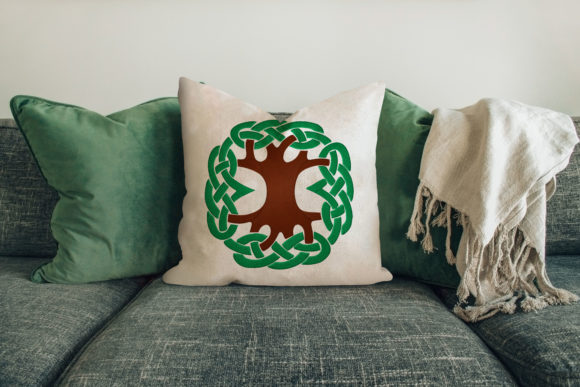
The visual mood of the Celtic Tree of Life is instantly recognizable. It carries that timeless, intricate aesthetic associated with Celtic knotwork, symbolizing connection and growth. For a designer, the "stitching personality" of a file is just as important as its look on the screen. Does it feel dense and heavy, or light and airy? Upon initial inspection, this design appears to balance complex interlacing branches with open spaces, which is crucial for maintaining fabric drape, particularly on apparel.
Evaluating Versatility for Custom Apparel and Home Goods
The product description highlights suitability for pillows, t-shirts, and sweatshirts, but let's dig deeper into how this embroidery file performs across different mediums. In my experience, a design labeled for "House" categories often translates beautifully to home decor items like pillow covers and kitchen towels. The organic lines of the tree fit naturally into the House category, adding a touch of heritage and warmth to living spaces.
For custom apparel, the availability of six sizes is a significant advantage. A smaller hoop size version could work perfectly on a left-chest logo for a work shirt or a subtle detail on a baby onesie. Conversely, the largest size would make a stunning back-piece for a sweatshirt embroidery project or a statement front design on a canvas tote bag design. This scalability means you aren't limited to one product type; you can create a cohesive collection for an Etsy shop or a craft fair.
Imagine using this for a line of personalized gift items. The Celtic motif resonates well with customers looking for meaningful symbols. Whether it's a nursery decor piece for a new baby or a commemorative patch for a family reunion, the Celtic Tree of Life offers a narrative element that boosts the perceived value of the finished product.
Technical Considerations for Stitching Success
Before committing to a customer order, technical due diligence is non-negotiable. The description notes that the design is "digitized by hand," which usually implies better stitch flow than auto-digitized counterparts. However, every machine and fabric combination reacts differently. Here are the practical factors I consider before stitching:
- Stitch Density and Fabric Choice: Celtic knots can become dense quickly. If the stitch density is too high, it may cause puckering on lightweight fabrics like linen tea towels or thin cotton t-shirts. I always recommend testing on scrap fabric first to see how the material reacts.
- Stabilizer Selection: For stretchy fabrics like sweatshirts or caps, using the correct stabilizer is vital. A cut-away stabilizer is likely necessary to support the weight of the interlacing branches and prevent distortion over time, especially for items that will be frequently washed.
- Thread Colors and Contrast: The beauty of this design lies in its details. On dark fabrics, you must ensure your thread colors provide enough contrast to make the knotwork visible. A monochromatic look might be elegant, but it risks losing the definition of the intricate paths if the thread sheen isn't managed correctly.
- Small Details and Hoop Size: While six sizes are offered, the smallest version requires careful scrutiny. Tiny details in Celtic knots can sometimes merge if the resolution isn't sharp or if the needle creates too large a hole. Confirm the hoop size requirements for your specific machine to ensure the design fits without re-hooping.
It is also worth noting the mention of "stitch ang" in the product details. This likely refers to stitch angles, a critical component in hand digitizing that determines how light reflects off the satin stitch or fill stitch areas. Proper angling reduces thread breaks and gives the design a professional, polished sheen rather than a flat, matte appearance.
Commercial Viability and Brand Impact
For commercial embroidery professionals and handmade shop owners, the choice of design assets directly impacts buyer trust and brand consistency. Using a high-quality file like the Celtic Tree of Life can elevate your product photography. The crisp lines and balanced composition make for excellent printable mockup creation, allowing you to showcase potential products to clients before a single stitch is made.
When selling on platforms like Etsy, the "handmade" appeal is paramount. A design that looks clearly digitized by hand, with thoughtful underlay and clean jump stitches (which you should inspect after a test run), signals quality to the buyer. It tells them that the embroidered patch or garment they are buying was made with care, not just slapped together with a generic file.
Furthermore, the versatility of this design supports diverse revenue streams. You could offer it as a standalone applique design option, incorporate it into a larger quilt block, or use it as the focal point for a seasonal collection. The key is consistency; if you sell a tote bag with this tree, ensure the stitching quality matches your other listings to maintain customer engagement and repeat business.
Final Thoughts on Licensing and Usage
One aspect that cannot be overstated is the importance of verifying licensing terms. While Creative Fabrica generally offers generous licenses for physical goods, always check the specific product page for the Celtic Tree of Life before selling finished items. Ensure you understand the limits on sales volume and whether the license covers digital resale (which it typically does not for embroidery files).
In conclusion, the Celtic Tree of Life presents itself as a robust option for designers looking to expand their portfolio within the Embroidery niche. Its strength lies in its symbolic depth and the flexibility offered by multiple sizes. However, like any professional tool, its success depends on the user's preparation. By testing on various fabrics, selecting the right stabilizers, and paying attention to thread contrast, you can transform this digital asset into a tangible, high-value product that resonates with customers.
Whether you are decorating a cap, crafting a heirloom baby blanket, or stocking your boutique with unique design assets, this file has the potential to be a staple in your library. Just remember: the difference between a good stitch-out and a great one often comes down to the prep work you do before hitting the start button.