Ancient God of Egypt Redwork
The Ancient God of Egypt Redwork design is a bold and intriguing choice for craft fair sellers and handmade product creators. With its rich cultural inspiration and striking visual presence, this machine embroidery design has the potential to stand out in a crowded market. Whether you're an Etsy seller, a boutique maker, or a Cricut enthusiast, understanding how this design performs across different products is essential for maximizing its appeal.
First Impressions and Visual Appeal
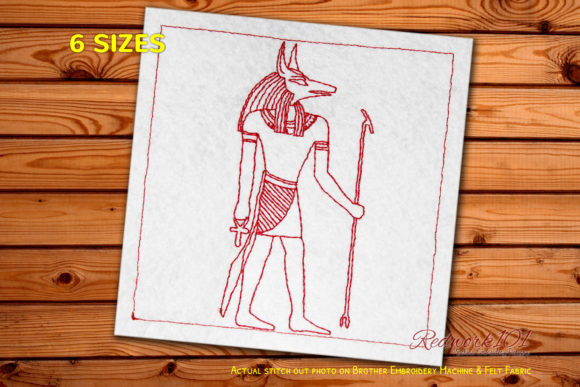
From the first glance, Ancient God of Egypt Redwork exudes a sense of ancient mystique and artistic depth. The design feels premium, with intricate patterns that suggest a connection to traditional African artistry. While the description mentions that the outer box color may vary, the overall aesthetic leans toward being decorative and visually engaging. It’s not a subtle design—it's meant to be noticed, making it ideal for products that serve as statement pieces.
This design could work well on tote bags, aprons, and tea towels, where its boldness can be showcased. However, it might feel overwhelming on smaller items like patches or fabric pouches unless scaled appropriately. For a craft fair booth, the key is to place it in areas where it can catch attention without being lost among other items.
Performance on Different Products
As a tote bag design, Ancient God of Egypt Redwork has strong potential. The larger surface area allows the details to shine, and the design’s complexity can translate well into a focal point. Similarly, apron embroidery and tea towel embroidery benefit from the design’s scale, offering a unique twist on everyday household items.
- Embroidered patch: Best suited for larger patches where the design can be fully appreciated.
- Cap embroidery: The curved surface may challenge the clarity of fine details, so testing on different fabrics is recommended.
- Pillow cover: Offers a luxurious touch, especially when paired with rich fabric textures.
- Market bag: A great canvas for showcasing the design’s full detail and cultural significance.
For small shop product displays, consider using printable mockups to demonstrate how the design would look on various items before committing to production. This helps in making informed decisions about which products will best highlight the design’s strengths.
Practical Selling and Production Points
When evaluating Ancient God of Egypt Redwork for commercial embroidery, several factors come into play. The design is likely to be easily recognizable at a glance, but its intricate elements may require careful planning. For instance, dense stitch areas could increase production time and thread usage, so it’s important to assess whether the design aligns with your production workflow.
As a small shop product, this design could be used as a large focal piece on items like tote bags or pillow covers, where it can command attention. However, if you're looking for something more versatile, consider scaling the design down for use as an accent on smaller items. It’s also worth noting that the design may lose clarity at smaller sizes, so testing on different scales is crucial.
Photographing the design for online listings requires attention to detail. High-quality images that capture the texture and color contrast are essential for attracting buyers. As an Etsy seller, ensuring that the design looks good on both light and dark fabrics will broaden its appeal.
Careful-Use Notes
Some aspects of Ancient God of Egypt Redwork may require special consideration. Tiny details and small lettering could be difficult to execute, especially on thick fabrics or textured towels. Additionally, curved cap surfaces may affect the design’s overall appearance, so testing on different materials is advised.
Thread colors should be chosen carefully to ensure contrast and visibility. If the design includes a box element, as mentioned in the description, consider whether it needs to be colored separately or if it can be omitted for a simpler look. Stabilizer use is also important, particularly when working with delicate or stretchy fabrics.
Impact on Customer Engagement and Branding
Products featuring Ancient God of Egypt Redwork have the potential to elevate the perceived value of your handmade offerings. Its unique aesthetic can attract customers looking for meaningful, culturally inspired designs. For a craft fair booth, placing these items in high-traffic areas or near complementary products can help drive sales.
Consistency in branding is key. If your shop specializes in African-inspired designs, this embroidery file can serve as a cornerstone of your collection. However, if your brand leans more toward modern or minimalist styles, this design may need to be paired with other elements to maintain balance.
Customer engagement often hinges on the visual impact of your products. Ancient God of Egypt Redwork, when executed well, can spark conversations and create a memorable impression. This is especially valuable for handmade product displays where personal connection plays a significant role in purchasing decisions.
Embroidery Designer Notes
Before finalizing production, test the design on scrap fabric to assess how it looks in real life. Review the stitch density to ensure it’s appropriate for your equipment and fabric type. Confirm the hoop size needed for the design to avoid unnecessary adjustments during the embroidery process.
Creating at least one real mockup is highly recommended. This allows you to see how the design translates onto actual products and identify any potential issues. Compare fabric colors to ensure the design stands out effectively. Lastly, confirm commercial licensing terms before selling finished products to avoid legal complications.
Ancient God of Egypt Redwork offers a compelling opportunity for craft fair sellers and handmade entrepreneurs. With thoughtful application and attention to detail, this design can become a standout item in your product lineup, helping to attract customers and enhance your brand’s visual identity.